In a world brimming with digital distractions and endless entertainment options, the challenge for church leaders is no longer just about bringing people through the doors; it's about capturing their hearts and minds once they are seated in the pews. The traditional model of a passive congregation listening to a sermon is increasingly failing to connect with a generation accustomed to interaction and participation. Declining attendance figures across many denominations are a stark reminder that we can no longer afford to be passive in our approach to ministry.
This isn't just a sociological issue; it's a theological one. The Bible speaks of the church as a body, where every member has a vital part to play. True worship has always been participatory. The question we face in the 21st century is how to foster that sense of active involvement in a way that feels authentic and relevant to modern life. The answer, in large part, lies in intentionally cultivating church audience engagement.
This comprehensive guide is designed for pastors, ministry leaders, and church volunteers who are ready to move beyond the status quo. We will explore the critical importance of engagement, delve into the powerful yet simple technologies available to facilitate it, and provide practical, actionable strategies for churches of all sizes. Our goal is to equip you to transform your services from a monologue into a dynamic dialogue, fostering a more connected and vibrant church community.
Why Church Audience Engagement Matters More Than Ever
The call to engage our congregations is not a concession to modern culture, but a return to a more biblical model of community. However, the cultural context in which we minister makes this call more urgent than ever before.
The Challenge of Declining Attendance and Shifting Habits
It's no secret that church attendance has been on a downward trend in many Western countries for years. The reasons are complex, but a significant factor is the sheer volume of competition for people's time and attention. Families are busier than ever, and the allure of weekend sports, social events, and even the comfort of home, complete with endless streaming services, is a powerful force. We are no longer the only option on a Sunday morning. To thrive, we must offer something more compelling than a passive experience—we must offer a place to belong and contribute.
Moving from Passive Spectators to Active Participants
The theology of the New Testament is clear: the church is not a theater with a few performers and a large audience. It is the body of Christ, an interconnected community where each person is gifted and called to contribute. When we reduce the congregation's role to simply listening, we inadvertently stifle the spiritual gifts and passions of our members. True engagement is about creating pathways for people to use their voices, share their insights, and actively participate in the act of corporate worship and learning. It's about shifting the paradigm from a sermon-as-lecture to a community-wide conversation.
The Technology of Engagement: A Pastor's Toolkit
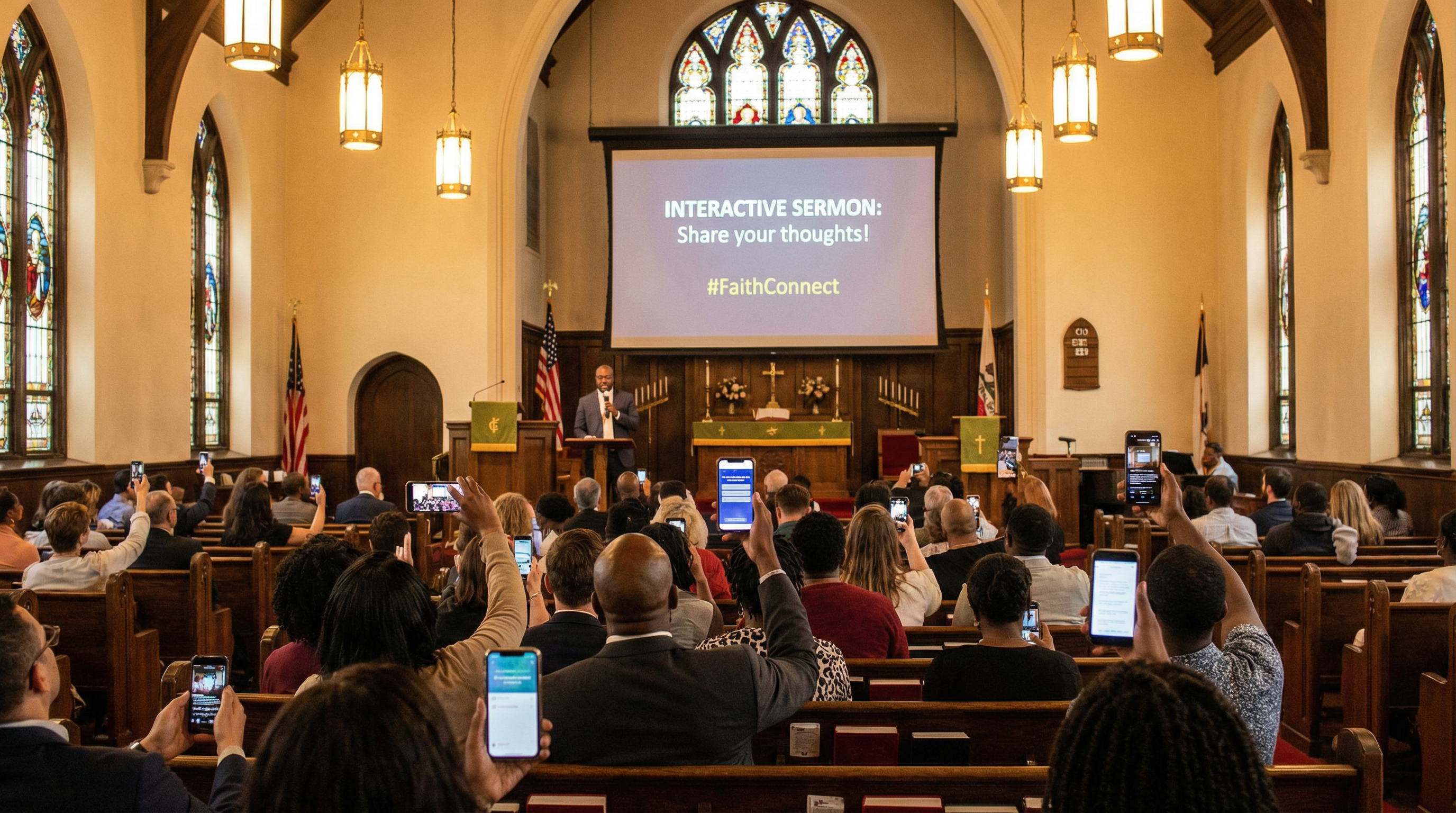
Thankfully, we live in an age where technology can serve as a powerful ally in this mission. Modern audience engagement platforms, like our own RoomPulse, are designed to be simple, intuitive, and seamlessly integrate into a church service. They provide a bridge between the person in the pulpit and the person in the pew, using the smartphones already in people's pockets to foster connection rather than distraction. Let's explore some of the key tools in this new toolkit.
| Engagement Tool | Description | Church Application Examples | | :--- | :--- | :--- | | Live Polling | Ask multiple-choice, rating, or ranking questions and see results in real-time. | Gauge understanding of a sermon point, get feedback on ministry initiatives, icebreakers for youth group. | | Anonymous Q&A | Allow the audience to submit and upvote questions from their phones, with a moderation dashboard for the presenter. | Post-sermon Q&A sessions, panel discussions, creating a safe space for tough questions about faith. | | Interactive Quizzes | Create fun, gamified trivia with timers and live leaderboards to test knowledge and reinforce learning. | Bible trivia challenges, new members' classes, confirming key takeaways from a sermon series. | | Word Clouds | Visualize open-ended text responses as a dynamic word cloud that grows and changes in real-time. | Collective prayer requests, brainstorming sermon topics, capturing the main themes of a worship service. |
Live Polling: Taking the Pulse of Your Congregation
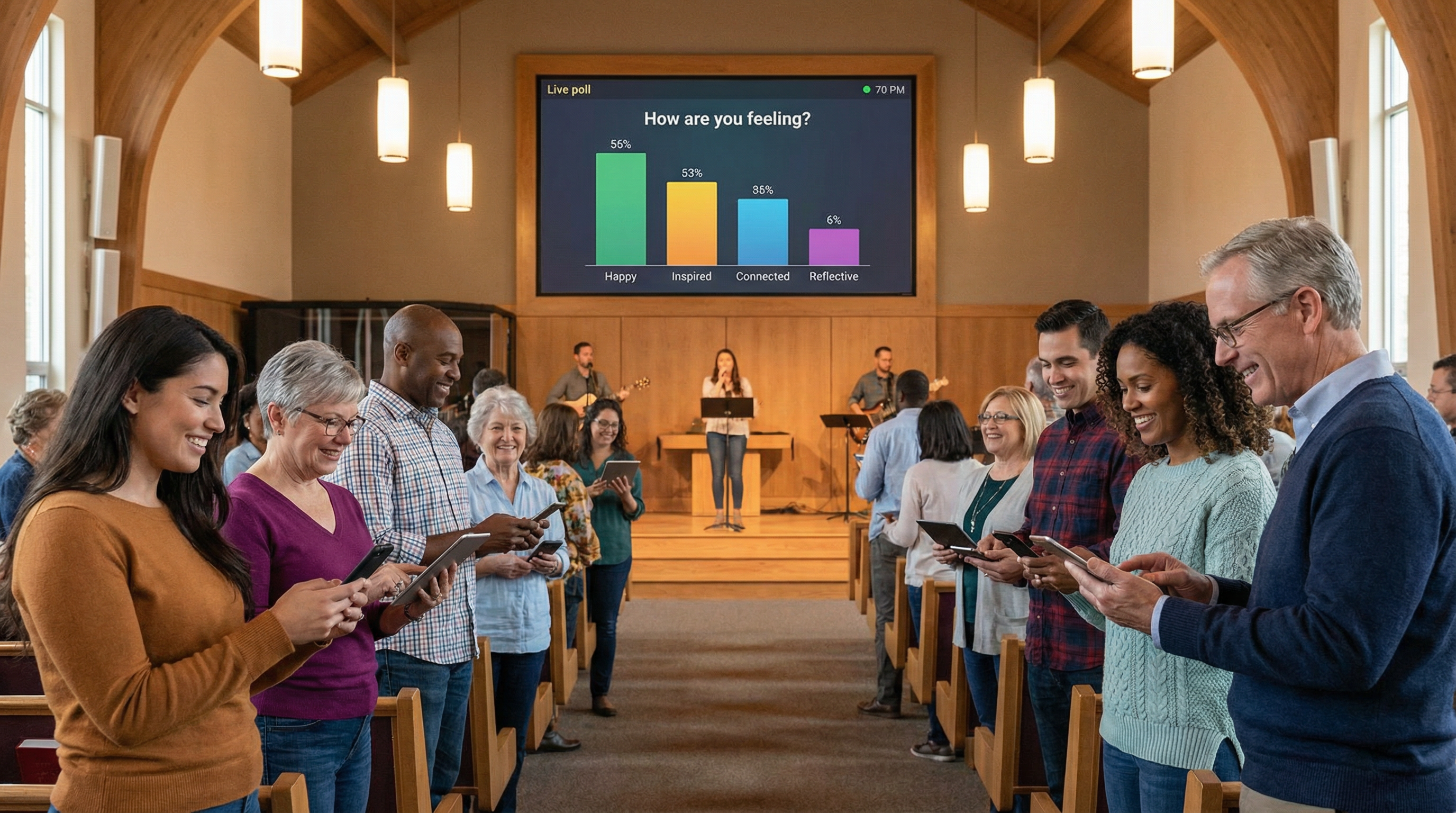
Imagine asking your congregation, "Which of these spiritual disciplines do you find most challenging?" and seeing the anonymous results appear on the screen instantly. Live polling transforms a rhetorical question into a moment of shared insight and vulnerability. It gives you a real-time snapshot of where your people are, allowing you to tailor your message and ministry to their actual needs.
Anonymous Q&A: Creating a Safe Space for Tough Questions
Many people, especially newcomers, are hesitant to ask questions in a public setting. They may fear looking foolish or asking something controversial. An anonymous Q&A tool removes that barrier completely. It creates a safe, accessible channel for people to ask the questions that are truly on their hearts, leading to deeper, more authentic discussions and a greater sense of being heard.
Interactive Quizzes: Making Learning Fun and Memorable
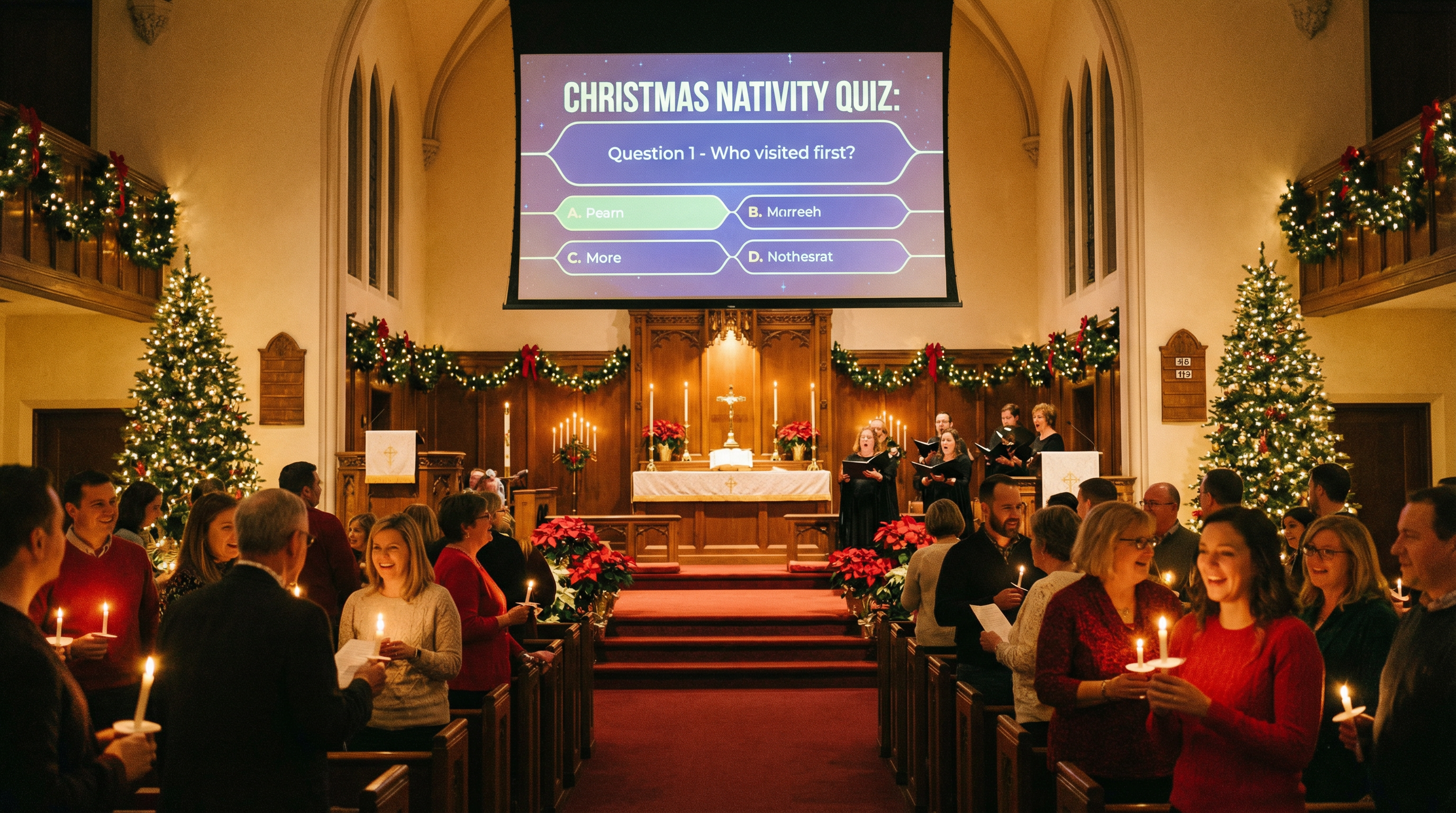
Who said learning about the Bible had to be dry? An interactive quiz can bring a sense of fun and friendly competition to your teaching. Whether you're recapping a sermon series, running a youth event, or teaching a discipleship class, a quiz is a fantastic way to increase energy, reinforce key truths, and improve information retention in a joyful, communal way.
Word Clouds: Visualizing Collective Thoughts and Prayers
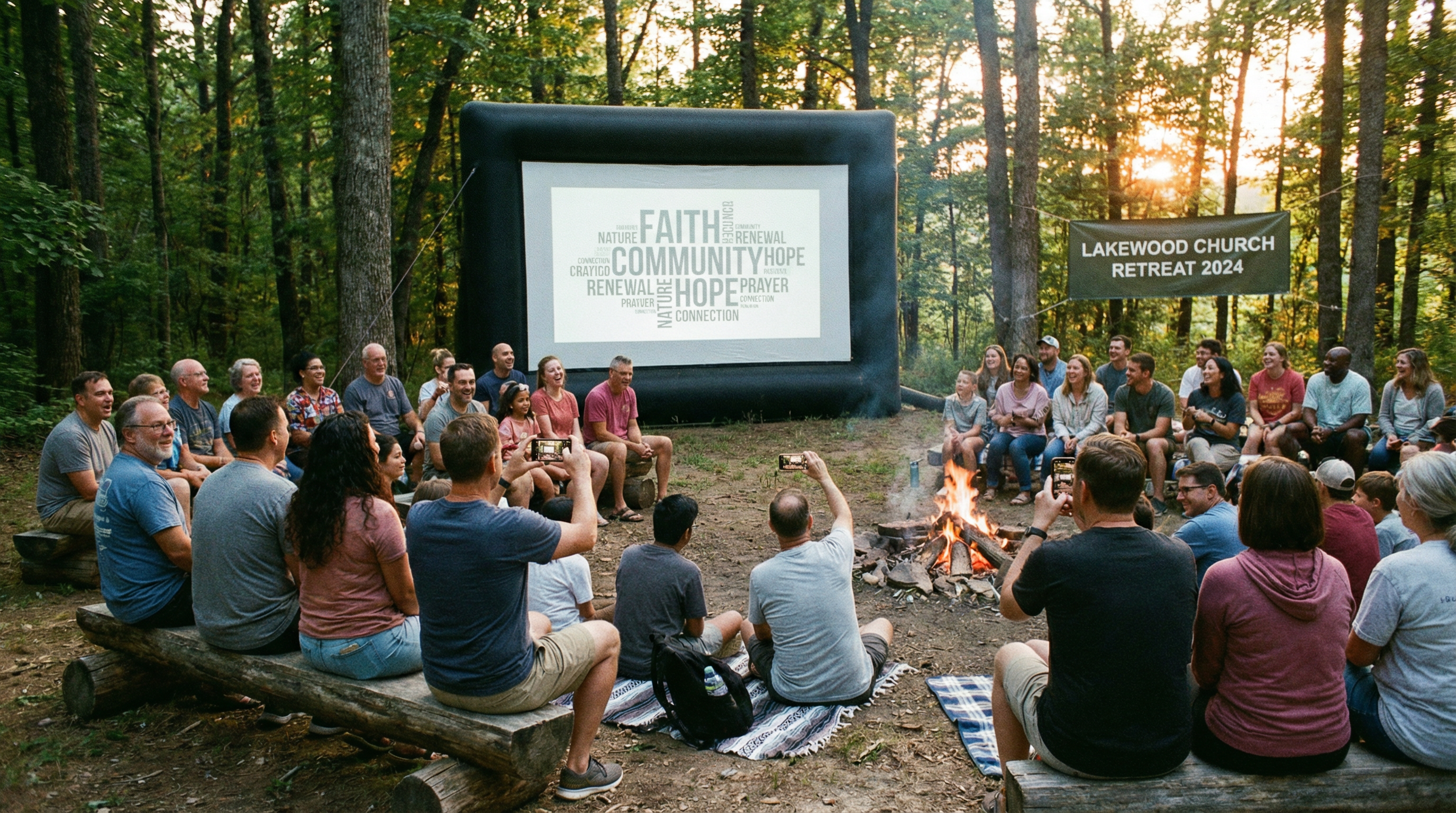
A word cloud is a beautiful way to visualize the collective heart of your congregation. Ask people to submit a single word describing how they're feeling, a topic they're praying for, or what they learned from the sermon. As the words appear on the screen, with the most common responses growing larger, it creates a powerful visual representation of your shared community experience.
Practical Implementation Strategies for Your Church
Adopting new technology can feel daunting, but it doesn't have to be. The key is to start small, have a clear purpose, and communicate that purpose effectively to your congregation.
Starting Small: Tips for Small to Medium-Sized Churches
You don't need to use every tool at once. Pick one and try it in a low-risk environment. For example, start by using a single poll at the beginning of your sermon as an icebreaker. Or, introduce an anonymous Q&A session at your next youth group meeting. As you and your congregation get more comfortable, you can gradually incorporate more features. Platforms like RoomPulse offer generous free plans, allowing you to experiment without any financial commitment.
Scaling Up: Ideas for Larger Churches and Multi-Site Campuses
For larger churches, engagement tools can be invaluable for maintaining a sense of connection across a large crowd or multiple locations. You can use polling to get a sense of the entire church's perspective, not just the most vocal members. A centralized platform allows you to prepare and manage interactions for all your services and campuses from one simple dashboard, ensuring a consistent and engaging experience for everyone.
Overcoming Resistance to Technology in the Church
It's natural for some members to be wary of bringing more screens into the sanctuary. The key to overcoming this resistance is vision casting. Don't just introduce the "what" (a new tool); explain the "why" (to hear more voices, to create a safe space for questions, to help us learn together). Frame it as a tool for hospitality and connection. Assure them that it's an "opt-in" experience and that no one is required to participate. When people see the positive fruit of increased interaction and connection, most will quickly see the value.
Measuring the Impact of Your Engagement Efforts
How do you know if it's working? While the ultimate goal is spiritual growth, which is hard to quantify, there are several indicators you can track. Look at the participation rates in your polls and quizzes—are they increasing over time? Review the questions submitted during Q&A sessions—are they becoming more thoughtful and vulnerable? Most importantly, listen to the anecdotal feedback. When people tell you they feel more connected, more heard, and more involved, you know you are on the right track. Engagement platforms like RoomPulse also provide helpful analytics to track these very metrics.
The Future of Church Engagement
As we look to the future, the importance of authentic, participatory community will only grow. While technology will evolve, the underlying human need for connection is timeless. The churches that thrive in 2027 and beyond will be those that have mastered the art of engagement. They will be communities that have moved beyond the monologue and embraced the beautiful, messy, and life-giving reality of a true dialogue, where every voice matters and every member has a part to play.
Ready to take the next step in engaging your congregation? RoomPulse is built specifically for churches like yours, with simple tools and affordable pricing to help you foster a more interactive and connected community. Start Free Today and see the difference it can make. No credit card required.
Deeper Dive: The Theology of Participation
Beyond the practical need to retain attention, fostering engagement is a deeply theological act. The Apostle Paul’s metaphor of the church as a body in 1 Corinthians 12 is not just a poetic image; it's a radical call to mutual interdependence. Each member, with their unique gifts, is indispensable to the health and function of the whole. A passive congregation is a body where most of its parts are dormant. By creating channels for feedback, questions, and shared expression, we are not just borrowing techniques from the corporate world; we are actively making space for the Holy Spirit to minister through the entire congregation. This moves the spiritual focus from a single, authoritative speaker to the collective wisdom and gifting of the community, which is a more robust and biblical model of church life.
The Generational Divide: Speaking the Language of Interaction
For Millennials and Gen Z, who have grown up in a world of constant digital interaction, a one-way lecture can feel alienating. This is not a critique of their attention spans, but an observation of their relational norms. They are used to having a voice, to co-creating content, and to participating in conversations. For the church to effectively disciple these generations, it must be willing to speak their language—the language of dialogue and interaction. Using tools that allow for real-time feedback and participation is not a gimmick; it's a form of cultural translation, showing that the timeless truths of the Gospel can be communicated in a way that is relevant and engaging to the modern mind. By embracing these methods, we signal that we value their contribution and are willing to meet them where they are.
Advanced Implementation: Weaving Engagement into the Fabric of Your Ministry
Once you are comfortable with the basics, you can begin to weave these engagement strategies more deeply into the life of your church.
Beyond the Sunday Service
Engagement technology is not just for the main service. Consider its application in other ministry areas:
- Youth Ministry: Create high-energy, interactive Bible quizzes or use anonymous Q&A for sensitive topics that teens might be hesitant to discuss openly.
- Small Groups: Use polls to decide on the next study topic or word clouds to share prayer requests visually.
- Leadership & AGMs: During annual general meetings, use anonymous Q&A to ensure all voices are heard and difficult questions can be addressed transparently and constructively. Use polling for secure, instant voting on resolutions.
- New Members' Classes: Make the learning process more dynamic with quizzes and polls to reinforce information about the church's history, vision, and values.
A Real-World Scenario: The Sermon Dialogue
Let's walk through a practical example. A pastor is preaching on the topic of forgiveness. Halfway through the sermon, they pause and put a poll on the screen: "What is the biggest barrier to forgiveness for you? (a) Fear of being hurt again, (b) Feeling the other person doesn't deserve it, (c) My own pride, (d) I'm not sure." The anonymous results pop up, showing that "Fear of being hurt again" is the most common response. The pastor can now acknowledge this, and tailor the next part of the sermon to directly address that specific, real-world struggle felt by the majority of the congregation. The sermon is no longer a monologue; it has become a responsive dialogue, addressing the immediate needs of the listeners. This is the power of real-time engagement.
Choosing the Right Tool for Your Church
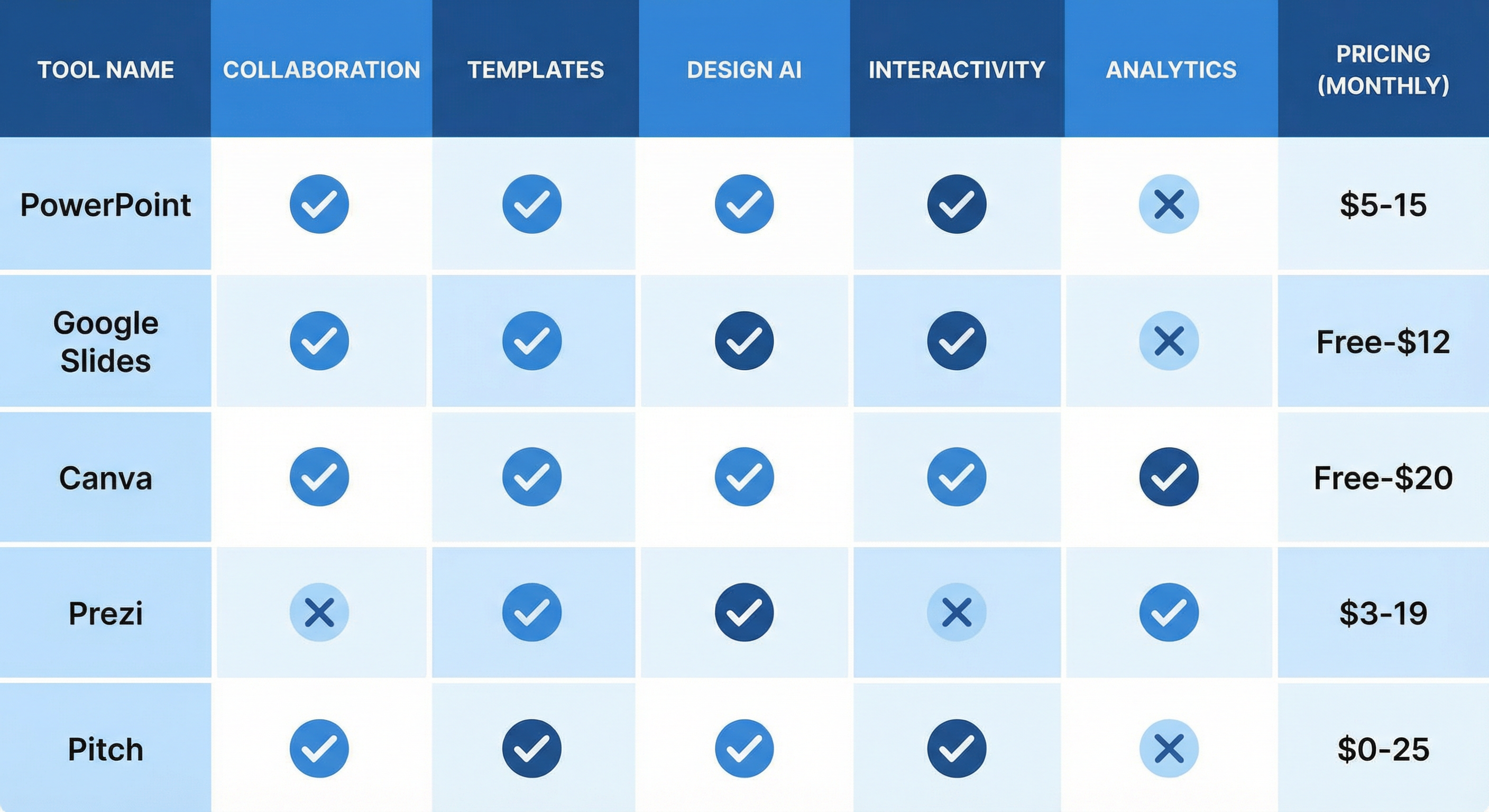
While several platforms offer audience engagement features, it's crucial to choose one that understands the unique context of ministry. Many tools are designed for a corporate environment, with pricing and feature sets that don't align with the needs or budgets of churches and nonprofits. This is why we built RoomPulse. It was designed from the ground up for organizations like yours, with a focus on simplicity, affordability, and features that genuinely serve the goal of building community, not just delivering a presentation. The generous free tier and deep discounts for churches make it an accessible option for any ministry size.